 Circles of Grace
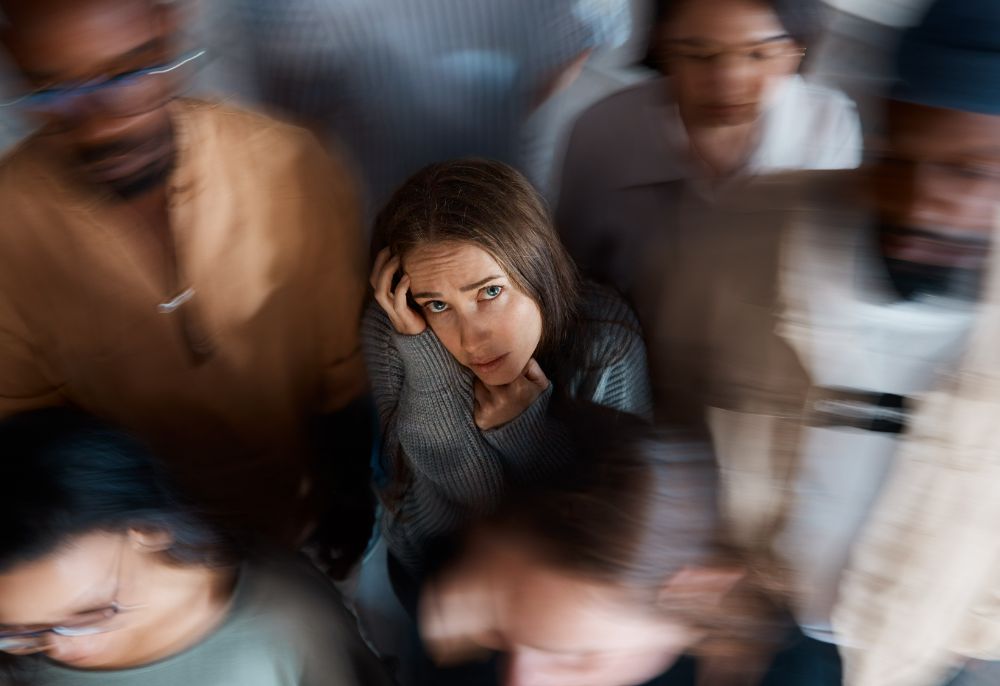
You don't have to be the one the event happened to in order to be affected by it. Secondhand trauma — also called vicarious or secondary trauma — builds in people who care for, work with, or live alongside those who are suffering. It's the cost of staying open to others' pain.
Who it affects
- Therapists, nurses, doctors, and first responders
- Partners and family members of trauma survivors
- Caregivers carrying a long-term load
- Anyone repeatedly exposed to others' distress
How we help
We help you put down what isn't yours to carry and restore your own nervous system, using somatic and experiential work. Tending to the helper isn't a luxury — it's how you keep being able to help.